
Social Media Content Strategy for Small Business
In today’s digital-first world, posting randomly on social media is no longer enough. Small businesses that consistently attract leads, build trust, and increase sales are the ones following a structured social media content strategy for small business growth.
Many brands struggle with:
- Inconsistent posting
- Low engagement
- Running out of content ideas
- Poor audience retention
- No clear direction for social media marketing
If your business faces these challenges, you’re not alone.
The good news? A well-planned content strategy can transform your social media presence into a lead-generating machine.
In this blog, you’ll learn:
- What a social media content strategy is
- Why small businesses need one
- How to create a content calendar
- The best social media posting strategy
- Ways to improve consistency and engagement
- Practical examples for brands
- FAQs and expert tips
By the end of this guide, you’ll know exactly how to create a sustainable and effective social media system for your business.
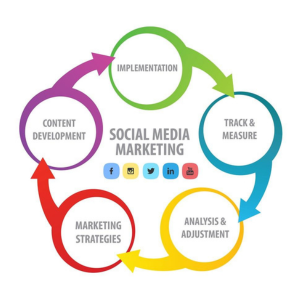
Why a Social Media Content Strategy for Small Business Matters
A social media content strategy for small business is a structured plan that defines:
- What content you will post
- When you will post
- Where you will post
- Why you are posting it
- Who the target audience is
Without a strategy, most businesses post randomly and hope for results.
With a strategy, your content becomes:
- Consistent
- Goal-oriented
- Audience-focused
- Easier to manage
- Better for long-term growth
Benefits of Social Media Consistency for Small Businesses
1. Builds Brand Awareness
Consistent content helps people remember your business.
2. Improves Engagement
A planned engagement strategy encourages comments, shares, saves, and interactions.
3. Generates Quality Leads
Strategic content educates potential customers and moves them toward inquiry or purchase.
4. Saves Time
A proper content calendar reduces daily stress and last-minute posting.
5. Creates Audience Trust
People trust brands that consistently provide value.
What Makes an Effective Social Media Content Strategy for Small Business?
A successful strategy combines:
- Content marketing
- Audience research
- Social media trends
- Consistency
- Engagement optimization
Here are the core elements every small business should focus on.
Step 1: Define Your Social Media Goals
Before creating content, identify what you want to achieve.
Common Small Business Goals
| Goal | Content Type |
| Brand Awareness | Reels, educational posts |
| Lead Generation | Case studies, CTA posts |
| Engagement | Polls, carousels, stories |
| Website Traffic | Blog promotions |
| Sales | Product/service showcases |
Example
Content Type
A digital marketing agency may focus on:
- Educational reels
- Lead generation posts
- Client success stories
- Industry tips
A local bakery may focus on:
- Product photos
- Behind-the-scenes videos
- Customer testimonials
- Festival offers
Your content planning for brands should always align with business goals.
Step 2: Understand Your Audience
The best content speaks directly to the audience’s problems and interests.
Ask These Questions:
- Who is your ideal customer?
- What challenges do they face?
- Which platforms do they use most?
- What type of content do they engage with?
- What motivates them to buy?
Example
Poor Targeting
“Buy our digital marketing services.”
Better Targeting
“Struggling to get industrial leads online? Here’s how social media can help manufacturing businesses attract inquiries consistently.”
Specific messaging creates better audience retention and engagement.
Step 3: Create Content Pillars
Content pillars are the main categories around which your content revolves.
This makes your social media posting strategy organized and scalable.
Recommended Content Pillars for Small Businesses
1. Educational Content
Teach your audience something useful.
Examples:
- Tips
- Tutorials
- Industry insights
- Mistakes to avoid
2. Promotional Content
Showcase your products or services.
Examples:
- Offers
- Service highlights
- Product demos
- Case studies
3. Engagement Content
Encourage audience interaction.
Examples:
- Polls
- Quizzes
- Questions
- “This or That” posts
4. Brand Personality Content
Humanize your business.
Examples:
- Behind-the-scenes
- Team culture
- Founder stories
Daily operations
5. Social Proof Content
Build credibility.
Examples:
- Testimonials
- Reviews
- Client success stories
- Before-and-after results
Using content pillars ensures social media consistency without sounding repetitive.
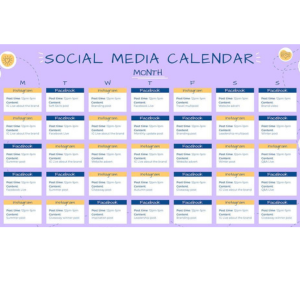
Step 4: How to Build a Content Calendar for Social Media Consistency
One of the most effective ways to improve consistency is through a structured content calendar.
What is a Content Calendar?
A content calendar is a planned schedule of:
- Post dates
- Platforms
- Content types
- Captions
- Goals
- CTAs
It helps businesses stay organized and avoid content gaps.
Content Calendar Ideas for Small Businesses
Here are some easy and effective content calendar ideas you can use weekly.
| Day | Content Idea |
| Monday | Educational Tip |
| Tuesday | Behind-the-scenes |
| Wednesday | Client Testimonial |
| Thursday | Industry Insight |
| Friday | Promotional Offer |
| Saturday | Interactive Poll |
| Sunday | Motivational or Light Content |
This structure simplifies content planning for brands.
Step 5: Choose the Right Content Formats
Different formats perform differently across platforms.
Best Performing Content Types in 2026
Reels & Short Videos
Best for:
- Reach
- Discovery
- Engagement
Carousel Posts
Best for:
- Educational content
- Step-by-step guides
- Save-worthy information
Stories
Best for:
- Daily interaction
- Quick updates
- Polls and Q&A
Static Posts
Best for:
- Announcements
- Branding
- Testimonials
Long-Form Captions
Best for:
- Storytelling
- Authority building
- Audience connection
Following current social media trends while maintaining brand identity is essential.
Step 6: Best Social Media Posting Strategy for Small Businesses
Posting consistently matters more than posting excessively.
Ideal Posting Frequency
| Platform | Recommended Frequency |
| 4–5 posts/week | |
| 3–5 posts/week | |
| 3 posts/week | |
| X (Twitter) | Daily |
| 5–10 pins/week |
Best Practices for Posting
Post at Peak Times
Analyze when your audience is active.
Repurpose Content
Turn:
- Blogs into carousels
- Reels into shorts
- Testimonials into graphics
Maintain Brand Consistency
Use:
- Similar colors
- Fonts
- Tone
- Design style
Focus on Quality Over Quantity
One valuable post performs better than five random posts.

Step 7: Optimize for Engagement and Audience Retention
High-performing content keeps people watching, reading, and interacting.
Ways to Improve Audience Retention
Use Strong Hooks
The first line matters.
Example:
“Most small businesses fail on social media because they post without a strategy.”
Keep Captions Readable
- Short paragraphs
- Bullet points
- Simple language
Add Clear CTAs
Examples:
- Save this post
- Follow for tips
- Comment your opinion
- DM for details
Use Storytelling
Stories increase emotional connection and retention.
Encourage Interaction
Ask:
- Questions
- Opinions
- Experiences
A strong engagement strategy increases visibility organically.
Common Social Media Content Strategy Mistakes
1. Posting Without a Plan
Random content leads to inconsistent results.
2. Ignoring Analytics
Data reveals what works best.
3. Over-Promoting
Too many sales posts reduce engagement.
4. Copying Competitors
Your brand needs its own identity.
5. Inconsistent Branding
Visual inconsistency weakens recognition.
How to Measure Social Media Content Performance
Tracking performance helps refine your strategy.
Important Metrics to Monitor
| Metric | Why It Matters |
| Reach | Measures visibility |
| Engagement Rate | Shows audience interaction |
| Saves & Shares | Indicates valuable content |
| Website Clicks | Tracks traffic |
| Leads Generated | Measures business impact |
Tools for Social Media Content Planning
- Meta Insights
- Google Analytics
- LinkedIn Analytics
- Buffer
- Hootsuite
- Canva Content Planner
Data-driven content marketing delivers better long-term growth.
Example of a Social Media Content Strategy for Small Business
Business Type:
Industrial Equipment Supplier
Goal:
Generate leads
Content Mix:
- 40% educational
- 30% engagement
- 20% promotional
- 10% testimonials
Weekly Posting Plan:
- Monday: Industry tip reel
- Tuesday: Client testimonial
- Wednesday: Carousel guide
- Thursday: Behind-the-scenes story
- Friday: Service promotion
CTA:
“DM us to grow your industrial inquiries.”
This type of structured approach improves social media consistency significantly.
Future Social Media Trends Small Businesses Should Watch
Staying updated with social media trends helps brands remain competitive.
Key Trends in 2026
AI-Assisted Content Creation
Businesses are using AI tools for:
- Captions
- Designs
- Scheduling
- Content planning
Short-Form Video Dominance
Reels and short videos continue to outperform static posts.
Personalized Content
Audiences prefer relatable and authentic brands.
Community-Based Marketing
Private groups and communities are growing rapidly.
Search-Based Social Media
Platforms like Instagram and TikTok are becoming search engines.
This makes SEO-focused captions and content more important than ever.
FAQs: Social Media Content Strategy for Small Business
What is a social media content strategy?
A social media content strategy is a planned approach to creating, scheduling, and managing content to achieve business goals like engagement, awareness, and lead generation.
How do I create social media content calendar ideas for my business?
Start by identifying your content pillars, posting frequency, audience interests, and business goals. Then schedule posts weekly or monthly in advance.
Why is social media consistency important?
Social media consistency improves brand recognition, audience trust, engagement, and algorithm performance across platforms.
What is the best social media posting strategy?
The best strategy focuses on:
- Consistency
- Audience value
- Quality content
- Clear CTAs
- Data-driven optimization
How often should small businesses post on social media?
Most small businesses should post 3–5 times weekly depending on the platform and available resources.
Final Thoughts on Social Media Content Strategy for Small Business
A powerful social media content strategy for small business growth is not about posting every day randomly. It’s about creating valuable, consistent, and audience-focused content that builds trust and drives results.
When you combine:
- Content planning
- Audience understanding
- Engagement strategy
- Social media consistency
- Trend awareness
…you create a system that generates long-term organic growth.
The businesses winning on social media today are the ones that treat content as a strategic business asset—not just occasional posting.
If you want expert help building a results-driven social media strategy for your brand, our team can help you create high-performing content that attracts leads, boosts engagement, and grows your business consistently.
👉 Visit our Social Media Management Service page here: IndustrialLead Digital